
A flower bed can be the difference between a backyard that feels unfinished and one that pulls people outside. Whether you’re working with a small urban balcony or acres of open ground, the right flower bed design transforms the entire landscape. This guide covers seven practical approaches to flower bed ideas that work for different spaces, skill levels, and maintenance preferences. From raised beds to native plant designs, each strategy offers real benefits, better drainage, easier upkeep, or year-round blooms. Let’s explore how to build flower beds that actually function well and look intentional.
Table of Contents
ToggleKey Takeaways
- Raised flower beds improve drainage and soil quality by placing beds 12–24 inches above ground, reducing root rot and bending during maintenance.
- Container gardens offer maximum flexibility for renters and small spaces, allowing you to move, swap, and customize plants seasonally with proper drainage and potting mix.
- Tiered and sloped flower bed designs solve uneven terrain while creating visual depth, preventing soil erosion while maximizing planting area across your landscape.
- Native plant beds dramatically reduce watering, fertilizer, and pest management once established, supporting local wildlife while cutting maintenance time and water bills.
- Cutting gardens produce fresh flowers for indoor arrangements year-round by harvesting regularly, with succession planting and staking techniques ensuring continuous blooms from June through frost.
- Themed flower beds organized by color, texture, or style—such as monochromatic or drought-tolerant designs—create intentional visual interest that lasts from spring through fall.
Raised Flower Beds for Easy Maintenance and Better Drainage
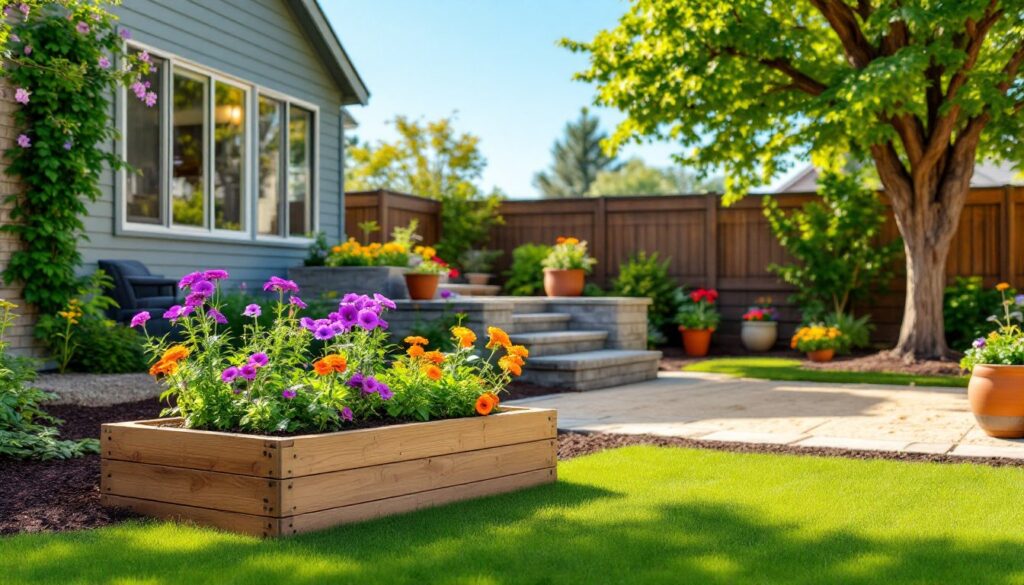
Raised flower beds sit 12 to 24 inches above ground level and are built with wood, composite, or metal frames. They solve two major problems: compacted soil and standing water. When you build up instead of digging down, you control the soil composition entirely, mixing topsoil, compost, and amendments to match what your plants need.
Construction is straightforward. A standard 4×8-foot bed uses untreated cedar or composite boards cut to length, fastened at corners with lag bolts or corner brackets. Landscape fabric lines the bottom to block weeds. Many DIYers fill raised beds with a mix of 40% topsoil, 40% compost, and 20% perlite or coarse sand for drainage. Cedar naturally resists rot for 10 to 15 years: composite materials last longer but cost more upfront.
Maintenance is genuinely easier. You’re not digging into clay or fighting compaction, and taller beds reduce bending. Watering drains fast, so root rot is rare. One trade-off: raised beds dry out faster than in-ground beds, especially in hot climates, so mulch heavily (3 to 4 inches) and water more frequently during dry stretches. As part of broader backyard transformation techniques, raised beds establish clear, organized planting zones that improve the whole yard’s appearance.
Container and Potted Garden Arrangements
Containers and pots are the most flexible approach to flower beds, you can move them, swap plants seasonally, and control soil and drainage individually. Container gardens work on patios, decks, balconies, and even small courtyards where ground space is limited.
Size matters more than material. A 12-inch-diameter pot works for small perennials or annuals: 18 to 24 inches accommodates multiple plants or shrubs. Drainage holes are non-negotiable, if a pot lacks them, drill several on the bottom. Terracotta is attractive but breaks easily and dries out fast: plastic and resin retain moisture better. Glazed ceramic offers a middle ground.
Fill containers with potting mix (not garden soil, which compacts and holds too much water), leaving an inch of space at the rim for watering. Tall pots suit deep-rooted plants: shallow containers work for succulents and sedum. Group several containers together for visual impact, varying heights and sizes looks intentional. The downside: containers need regular watering, sometimes daily in summer heat. Combining containers with other methods creates dynamic backyard transformation ideas that suit renters and homeowners alike.
Tiered and Sloped Flower Bed Designs
Sloped and tiered beds solve two problems at once: they handle uneven ground and create visual depth. A tiered design uses multiple levels (think stadium seating) so short plants in front don’t shade taller ones in back.
On flat ground, tiering involves building two or three raised beds at different elevations, stepping up toward a fence or property line. On a natural slope, you work with gravity instead of against it, creating terraced beds that follow the grade. This prevents soil erosion and runoff while maximizing planting area.
Construction requires careful measurement. Each tier should step back about 12 to 18 inches horizontally and rise 6 to 12 inches vertically. Use the same materials as raised beds, composite boards or stacked stone are common. Drainage is critical: water naturally flows downhill, so place amended soil layers and weep holes strategically. Sloped beds also reduce mowing and edge maintenance. Standard retaining wall design applies here: for slopes steeper than 4:1 (run to rise), consult local building codes, which often require drainage, reinforcement, or professional installation. These designs align with current backyard transformations trends 2026, where efficiency and visual interest go hand in hand.
Native Plant Beds for Low-Maintenance Landscaping
Native plant beds replace high-maintenance ornamental gardens with species adapted to your region’s climate, rainfall, and soil. Once established, native plantings need minimal water, fertilizer, or pest management, they evolved here.
Identify natives to your USDA hardiness zone and precipitation region. In the Pacific Northwest, choose native Oregon grape, sword ferns, and currants. In the Southwest, go with desert marigold, brittlebush, and penstemon. Contact your local Native Plant Society or extension office for a starter list. These plants support local pollinators and birds that ornamentals often don’t.
Prep is the same as any bed: amend heavy clay or sandy soil with compost to improve structure. Plant in fall or spring when rain naturally establishes roots. Once established (within the first year), native beds thrive on natural rainfall alone in most regions. Mulch to retain moisture and suppress weeds during that first season. Avoid fertilizer, which promotes soft growth that invites pests. Some native beds look wild or unkempt to gardeners used to manicured rows: this is normal and beneficial for wildlife. Incorporating native plantings is a backyard transformation strategy gaining momentum nationwide, cutting water bills and maintenance time simultaneously.
Cutting Garden Beds for Fresh Flowers Year-Round
A cutting garden is a productive bed dedicated to flowers you’ll harvest for bouquets and arrangements. Unlike ornamental beds where flowers bloom in place, cutting gardens grow dense, branching stems meant to be trimmed regularly, which triggers even more blooms.
Classic cutting garden plants include dahlias, sunflowers, zinnias, cosmos, celosia, and larkspur. Most thrive in full sun (6+ hours) and well-draining soil. Plant densely, 10 to 12 inches apart, since you’re harvesting frequently. Succession planting (sowing seeds every two weeks) ensures blooms from June through frost. Tall varieties need staking or cages: otherwise, wind and the weight of water topple them.
Harvest in early morning when stems are hydrated, cutting at a 45-degree angle just above a leaf node. Strip lower leaves, condition stems in cool water for a few hours, then arrange. Even novice gardeners find cutting gardens rewarding because the more you harvest, the more the plant produces, it’s nearly impossible to fail. Dahlia tubers overwinter in most zones (dig, dry, and store in a cool garage), making them cost-effective over years. This bed type suits anyone who wants to bring their garden indoors. As highlighted in top backyard transformations, functional beds that produce tangible results appeal to modern DIY homeowners.
Themed Flower Beds: Color, Texture, and Style Combinations
Themed beds organize plants by color, texture, or style rather than by plant type alone. A monochromatic bed uses one color family (purples and blues, say) in varying intensities and plant forms. A textured bed pairs fine, wispy plants (ornamental grasses, baby’s breath) with broad, bold foliage (hostas, cannas).
Common themes include English cottage (roses, delphiniums, sweet peas), drought-tolerant (sedums, ornamental grasses, silvery-leaved plants), shade lovers (ferns, coral bells, astilbe), and pollinator favorites (cone flowers, bee balm, salvia). Plan on paper first, sketching mature plant sizes, this prevents overcrowding. Include plants with different bloom times so the bed stays interesting from spring through fall.
Color theory helps. Complementary colors (opposite on the color wheel, like orange and blue) create drama. Analogous colors (neighbors on the wheel, like blue and purple) soothe. Neutral foliage plants (silver, gray-green, or chartreuse leaves) separate clashing colors and extend visual interest after blooms fade. Textured beds stay beautiful longer because form matters as much as color once flowers fade. Learn more about design principles from The Spruce, which offers comprehensive guides on color combinations and garden planning.
Conclusion
Each flower bed style serves different needs and spaces. Raised beds offer control and ease: containers give flexibility: tiered designs solve slopes and create drama. Native plantings slash maintenance: cutting gardens bring harvest inside: themed beds prioritize aesthetics. Most backyards benefit from a mix, a raised bed near the house, containers on a patio, and native shrubs along a property line. Start with one approach, learn what works in your climate and schedule, then expand. The best flower bed is the one you’ll maintain, so choose honestly based on how much time and water you can commit.