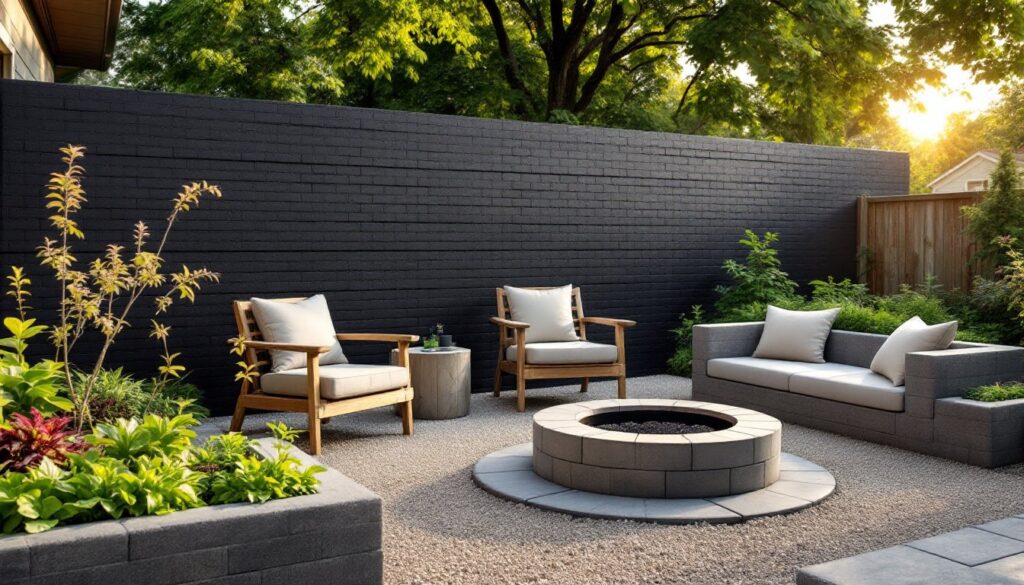

Cinder blocks are the unsung heroes of DIY <a href="https://tsuhan-sozai-logi.com/backyard-transformations-ideas/”>backyard projects. They’re affordable, durable, and surprisingly versatile, far beyond their industrial roots. Whether you’re building a retaining wall, creating raised garden beds, or crafting a fire pit surround, cinder blocks offer endless design possibilities without breaking the budget. This guide walks through nine proven ideas that homeowners are using to transform ordinary yards into functional, attractive outdoor living spaces. You don’t need special masonry skills or expensive equipment to pull most of these projects off.
Table of Contents
ToggleKey Takeaways
- Backyard cinder block wall ideas offer affordable, durable solutions for retaining walls, raised garden beds, fire pits, and decorative features without requiring advanced masonry skills.
- Modern painted cinder block walls transform ordinary spaces with high-quality exterior acrylic latex paint, proper surface prep, and creative patterns like stripes or chevrons for striking visual impact.
- Stacked cinder block planters and garden features provide instant raised beds at a fraction of pre-made kit costs, with automatic drainage through block cavities and optional permanent installation using type-N mortar.
- Textured designs using standard, slump, and split-face blocks create visual depth and modern appeal through stacked bond or herringbone patterns, with dry-stacking suitable for walls under 2 feet tall.
- Cinder block fire pits and seating areas can be built quickly by stacking blocks in circles with proper safety measures, including 10-foot clearance from structures and compliance with local fire codes and permits.
- Retaining walls require proper drainage systems like perforated pipes and gravel backfill to prevent soil pressure buildup, while water features need waterproof liners and regular pump maintenance for lasting performance.
Modern Painted Cinder Block Walls
Paint transforms plain gray blocks into striking focal points. A fresh coat of exterior-grade paint in matte black, deep charcoal, or even bold colors like navy or sage creates an instant modern aesthetic. The key is proper prep: pressure-wash the blocks to remove dirt and algae, let them dry completely (24 hours minimum), and apply a masonry primer before your finish coat.
Choose a high-quality exterior acrylic latex paint rated for masonry. One gallon covers about 250–350 square feet, depending on texture and porosity. Two coats ensure even coverage and durability. For geometric interest, tape off stripes, chevrons, or color-blocked sections using painter’s tape, measure twice, apply tape once. This approach works especially well for accent walls behind seating areas or garden beds.
Safety note: Wear safety glasses when pressure-washing and a dust mask when sanding any rough spots. If blocks are older, avoid sanding unnecessarily: older masonry sometimes contains asbestos (check local regulations if you suspect this).
Cinder Block Planters and Garden Features
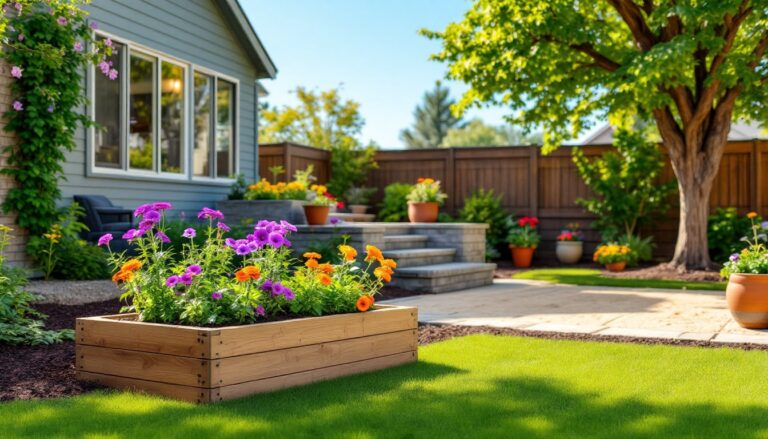
Stacked cinder blocks create instant raised garden beds and planter walls at a fraction of the cost of pre-made kits. A single layer of blocks yields shallow beds perfect for herbs or annuals. Stack them 2–3 blocks high for root vegetables and perennials. The interior cavities can hold soil directly or you can line the bed with landscape fabric and a layer of cardboard to prevent soil from washing through.
For a polished look, stack blocks in a running bond pattern (alternating the direction of the long side and short side). No mortar is required for temporary beds, but if you want a permanent installation, use type-N mortar and a mason’s trowel. Let mortar cure for at least 48 hours before filling with soil. Drainage is automatic through the block cavities, no additional work needed.
You can also fill individual block cavities with potting soil and small plants or succulents for a vertical planter wall. Top Backyard Transformations to inspire creative outdoor living often feature these stacked designs. Stack blocks two or three high, backfill cavities with soil, and plant creeping sedums or trailing flowers to soften edges and create movement.
Textured and Stacked Block Designs
Vary the visual interest by rotating blocks to expose different faces or by mixing standard blocks with slump blocks (which have a rough, weathered appearance) or split-face blocks (which feature a chiseled texture). Alternating textures and colors adds depth without needing paint or mortar.
One popular approach is a stacked bond pattern, blocks aligned vertically in columns rather than offset. This creates clean, modern lines and works well for retaining walls or privacy screens. Dry-stack this design (no mortar) if the wall is under 2 feet tall: anything taller should be mortared for stability. Check local building codes: How to Build a Block Wall provides step-by-step guidance.
For visual pop, consider a herringbone or chevron pattern using smaller pavers or split blocks. This takes more planning and precision but creates a striking focal point. Lay out your design on the ground first, measure twice, and dry-fit before applying mortar. Wear gloves when handling rough-textured blocks: they can splinter or cut skin easily.
Cinder Block Fire Pits and Seating Areas
A simple cinder block fire pit is one of the fastest projects you can build. Stack blocks in a circle (typically 3–4 feet in diameter), seat them directly on leveled soil or a gravel base, and you’re done. No mortar needed for a temporary pit. For permanence, use type-N mortar between courses.
Build the seating area by laying blocks flat in a low wall around the pit, creating a bench-height seat (16–18 inches is comfortable). Fill the gap behind the seat with soil and plants, or leave it open for storage. Safety consideration: maintain a 10-foot clearance from trees, fences, and structures. Check local fire codes, many jurisdictions require permits for permanent fire features or restrict them entirely. Never leave a fire unattended, and keep a water source or fire extinguisher nearby.
For a more finished look, cap the seating wall with concrete pavers or stone slabs set in mortar. This protects the blocks from weathering and creates a smooth seating surface. 13 Projects that Prove Why DIYers Love Cinder Blocks includes several fire pit configurations worth studying.
Water Features and Cinder Block Retaining Walls
Building and Maintaining Your Wall
Retaining walls prevent soil erosion on slopes and create flat planting zones. A wall under 2 feet tall can often be dry-stacked: anything higher should be mortared and may require a building permit and engineer approval, check your local building department first.
Proper drainage is critical. If blocks are against a slope, install a perforated drainage pipe or weeping tile behind the wall (at the base) to redirect groundwater. Backfill behind the wall with gravel rather than soil to promote water flow. Without this, pressure builds, blocks fail, and your wall collapses.
For a simple water feature, stack blocks into a raised basin and install a small fountain pump (powered by a solar panel or low-voltage transformer). This requires a waterproof liner, use a 40-mil EPDM rubber pond liner to prevent leaks. Seal all block joints with waterproof caulk before installing the liner. Maintain the pump intake filter weekly to prevent clogging.
Best Backyard Transformations: Inspiring Ideas show how water features anchor outdoor spaces. A small recirculating fountain adds movement, sound, and humidity, cooling the immediate area on hot days. Remember: any structure holding water longer than a few hours may require permits in some jurisdictions. Ask your local building inspector.
Conclusion
Cinder block walls deliver style, function, and affordability. Whether you’re painting, stacking, mortaring, or combining blocks with other materials, the results speak for themselves. Start with a simple project, a raised bed or painted accent wall, to build confidence. Backyard Transformation Ideas to Elevate Your Outdoor Space show what’s possible when you invest time in planning and prep. Your backyard transformation starts with humble blocks and a clear vision.