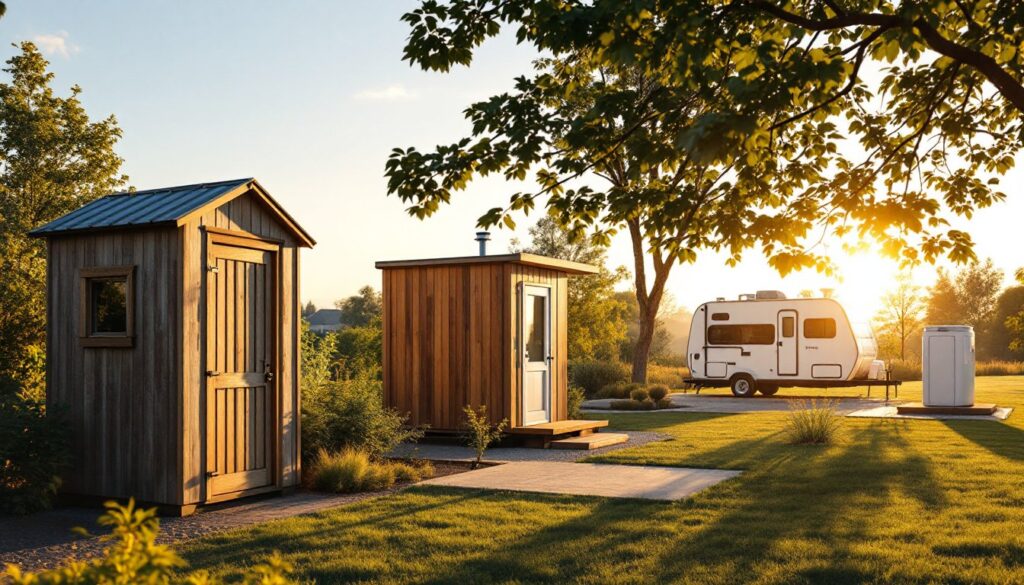

Adding a backyard outdoor toilet brings convenience, sustainability, and smart design to any property. Whether you’re planning a remote cabin retreat, an off-grid homestead, or simply need a functional addition to a guest area or work zone, outdoor toilet ideas range from eco-friendly composting systems to luxurious glamping-style bathrooms. This guide walks through practical options that balance performance, aesthetics, and maintenance so you can choose the right fit for your space and lifestyle.
Table of Contents
ToggleKey Takeaways
- Backyard outdoor toilet ideas range from eco-friendly composting systems to luxury glamping bathrooms, each suited to different property types and lifestyle needs.
- Composting toilets are zero-water, low-maintenance solutions ideal for off-grid properties that require only regular carbon-rich material additions and basic ventilation.
- Waterless septic alternatives like dry vault and incinerating systems offer faster installation than traditional septic with no drain field, making them practical for sites with poor soil or space constraints.
- Portable outdoor toilets and RV-style units ($300–$1,500) work well for temporary setups, guest accommodations, or testing layouts before committing to permanent installation.
- Luxury outdoor bathrooms with modern amenities require professional installation, proper drainage, electrical service, and budgets of $8,000–$25,000+, but deliver resort-quality comfort to your backyard.
- Before installation, verify local permitting requirements, ensure adequate distance from water wells (50–100 feet), confirm vehicle access for maintenance, and assess soil stability to avoid costly modifications.
Composting Toilet Systems
Composting toilets break down human waste into nutrient-rich compost without requiring water or septic connections. They’re ideal for off-grid properties, remote cabins, and homeowners prioritizing sustainability.
These systems separate solid and liquid waste. A typical unit has a chamber below the seat where waste accumulates on a bed of sawdust, peat moss, or coconut coir. Carbon-rich materials absorb moisture and odors while promoting decomposition. Many models feature removable containers that cycle out every 6–12 months, depending on use.
Key advantages: Zero water consumption, no plumbing required, low environmental impact, and finished compost suitable for ornamental landscaping. Installation is straightforward, most units sit on a simple wooden platform or concrete pad.
Considerations: You’ll need to purchase or create bulking agent refills. Odor control depends on proper carbon layering and ventilation. Most jurisdictions allow composting toilets on residential property, though some codes restrict their use near wells. Check local regulations before purchasing. Waterless composting systems work well in dry climates but require more frequent maintenance in wet regions where moisture management becomes critical.
Waterless Septic Alternatives
If you want something between a basic composting toilet and a full septic system, waterless alternatives offer a middle ground. These include dry vault systems, incinerating toilets, and engineered biological treatments that require minimal water input.
Dry vault systems work like portable RV toilets, waste drops into a sealed tank below the unit. Homeowners or service professionals periodically pump and dispose of contents at appropriate facilities. Incinerating toilets use electric heating to burn waste into ash, requiring electricity and regular ash removal. Both approaches sidestep septic tank installation, saving thousands in site preparation and permitting.
Advantages: Faster installation than septic systems, no drain field needed, and suitable for sites with poor soil or high water tables. Incinerating models reduce volume dramatically, making them practical for compact yards.
Trade-offs: Ongoing pumping or ash disposal costs, electricity requirements (for incinerating units), and smaller tank capacities than traditional septic systems. These systems suit seasonal cabins or guest structures better than primary residences with heavy daily use.
Off-Grid Options
For completely self-sufficient properties, combining a waterless toilet with rainwater collection and greywater reuse creates a closed-loop system. Off-grid toilets must handle isolation, no municipal sewer backup and no utility connections. Composting toilets excel here because they’re passive and require zero infrastructure beyond the unit itself. Pair one with proper ventilation (a simple vent pipe with mosquito screening to the roof) and you’ve solved sanitation without power or water lines. Backyard transformation techniques for off-grid builds should account for vehicle access during installation and regular maintenance visits.
Portable and Compact Solutions
Portable outdoor toilets suit temporary setups, events, or situations where permanence isn’t required. These units range from standard portable potties (the orange chemical units you rent) to premium camping-grade models designed for regular use.
Chemical portable toilets use a blue deodorant liquid to mask odors and prevent bacterial growth. They’re affordable to rent (typically $75–$150 per month) and require zero installation. Downsides: constant chemical use, frequent pumping for heavy use, and environmental concerns around disposal.
RV-style portable toilets are self-contained with a freshwater supply tank and waste tank. Models like Thetford or Dometic units cost $300–$1,500 and work well for permanent outdoor setups without deep infrastructure. They’re compact (18–24 inches wide), connect no utilities, and empty via simple waste tank removal at service facilities.
Bucket-based emergency toilets use biodegradable liners, activated carbon, or sawdust absorption for minimal-cost backup solutions. Practical for construction sites, camping, or emergency preparedness, not a long-term lifestyle choice, but effective in a pinch.
Portable solutions excel for guest accommodations, workspace facilities on renovation projects, or testing different setups before committing to permanent installation. Top backyard transformations often start with temporary structures to verify layout and usage patterns.
Outhouse and Traditional Designs
A classic outhouse, also called a privy, is the simplest permanent outdoor toilet. It’s a small shelter built over a deep pit, relying on gravity and microbial action to process waste underground. This approach has worked for centuries and remains code-compliant in rural areas without municipal sewer access.
Basic structure: A small wooden shed (4×4 to 4×6 feet) with a simple toilet seat positioned over a dug pit (10–15 feet deep, depending on soil type and local codes). A vent pipe running from the pit through the roof ceiling reduces odors. The pit gradually fills over decades, solid waste breaks down through natural microbial and environmental action.
Modern improvements: Paint the exterior to match your home’s aesthetic, add a small window for ventilation and natural light, use a composting toilet insert instead of a direct pit for better odor control, and install a weatherproof door. According to Family Handyman, a well-designed outhouse requires careful site selection, minimum distance from wells (typically 50–100 feet, per local codes), proper drainage, and stable ground.
Key considerations: Pit depth varies by soil type and local health department regulations. Sandy soils drain fast: clay soils require deeper pits or alternative designs. Most jurisdictions require a permit and inspection before construction. An outhouse works best as a supplemental facility (guest bathroom, work area) rather than the primary residence toilet, especially in wet climates.
Luxury Glamping-Style Outdoor Bathrooms
High-end outdoor bathrooms blur the line between camping and resort living. These structures combine aesthetic appeal with modern comfort, think heated floors, rainfall showerheads, and stylish finishes in a detached structure.
Design elements: A sturdy wooden or metal frame structure (typically 6×8 to 8×10 feet) with weatherproof siding, a waterproof floor system, and durable fixtures. Interior options include flush toilets connected to septic systems, heated seats, wood paneling or tile finishes, and integrated sinks or even soaking tubs. Ventilation (exhaust fan or louvered windows) prevents moisture buildup and mold.
Infrastructure needs: These installations require proper site preparation, drainage lines to a septic tank or holding tank, and electrical service (for heating, lighting, and ventilation fans). Depending on size and permanent foundation, you may need building permits and foundation inspection. This isn’t a weekend project, budget $8,000–$25,000+ depending on finishes and utility requirements.
Aesthetic options: Modern minimalist with board-and-batten siding and stainless fixtures: rustic cabin style with logs and stone: or bohemian glamping with fabric panels and natural materials. The key is intentional design that complements your landscape rather than standing out as purely functional. Backyard Transformations Trends 2026 increasingly feature standalone outdoor structures that function as destinations, not afterthoughts.
Planning, Installation, and Maintenance Tips
Before purchasing or building, assess your property’s constraints and priorities.
Site selection: Choose a location with good drainage (away from low spots), at least 50–100 feet from water wells, and ideally screened from neighbors and main viewing areas. Confirm vehicle access for maintenance and potential pumping trucks if needed. Verify that the ground is stable, soft or shifting soil complicates long-term installations.
Permitting: Check with your local health department or building inspector early. Composting toilets, septic systems, and permanent structures typically require permits. Off-grid systems may face stricter scrutiny in urban areas. Getting approval upfront prevents costly modifications or removal later.
Installation basics:
- Composting and portable toilets need only a level platform and ventilation. Simple DIY job for most homeowners.
- Outhouse structures require solid framing, roof weatherproofing, and pit excavation. Soil testing and inspection are standard. Expect 2–4 weeks for permitting and 3–5 days to build.
- Septic or holding tank systems demand professional excavation, tank placement, and drain field layout (where applicable). This is not a DIY project.
Maintenance: Composting toilets need monthly carbon additions and seasonal cleanout cycles. Portable tanks need emptying every 2–4 weeks depending on use. Outhouses require pit-level monitoring and eventual pit closure once full (typically 20+ years for low-use structures). Bob Vila’s guide to outdoor toilets covers material selection and upkeep best practices.
Budget realism: Composting toilets cost $1,000–$4,000 installed. Portable units run $300–$1,500. A basic outhouse costs $2,000–$8,000. Glamping-style bathrooms with utilities range $8,000–$25,000+. Factor in ongoing maintenance, replacement parts, and professional servicing (if needed) when choosing your system. Backyard Transformations Tools and materials lists help homeowners estimate costs accurately for their specific project scope.