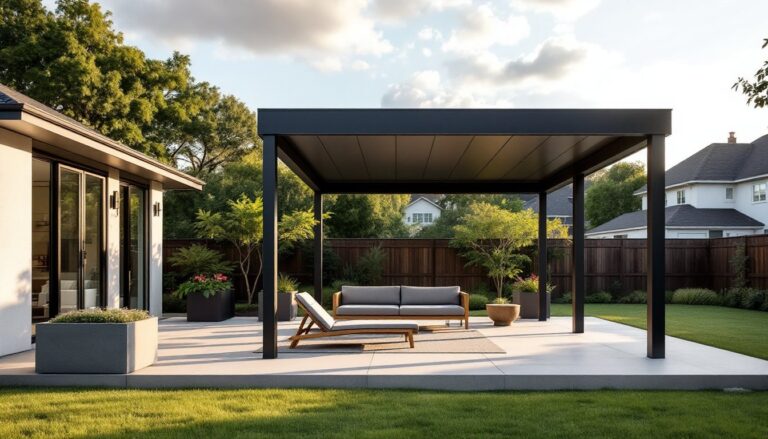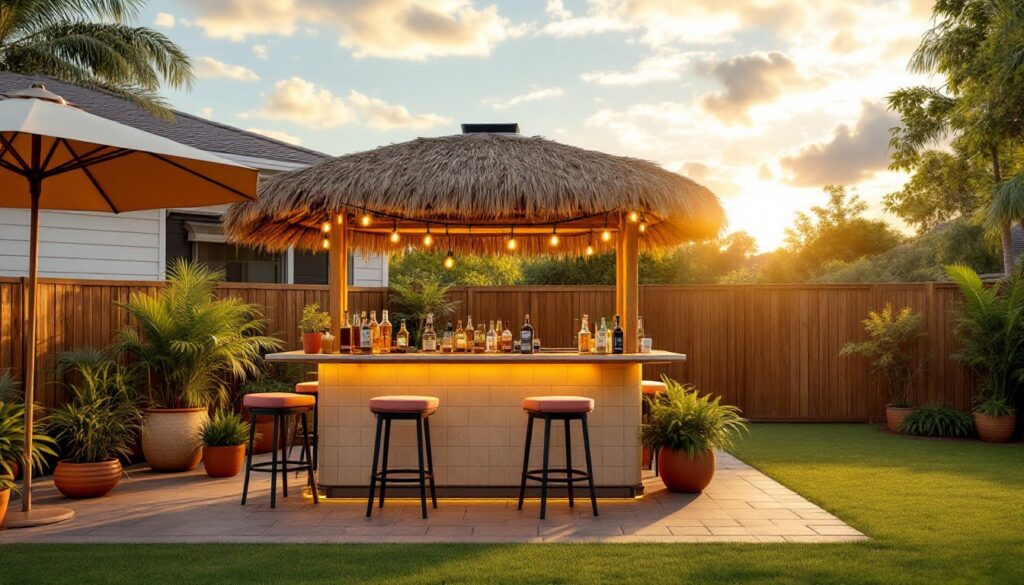

A tiki bar brings the island vibe straight to your backyard, no passport required. Whether you’re picturing a full-scale structure with a thatched roof or a simple cart-based setup, a tiki bar transforms ordinary gatherings into tropical escapes. Homeowners are increasingly investing in outdoor entertaining spaces that reflect their personal style while adding real value to their property. This guide walks you through seven proven tiki bar ideas, from foundational design choices through finishing touches, so you can build the backyard retreat you’ve been dreaming about.
Table of Contents
ToggleKey Takeaways
- Backyard tiki bar ideas range from affordable cart-based setups ($200–$600) to premium permanent structures ($4,000–$10,000+), allowing you to choose based on budget and entertaining needs.
- Choose a tiki bar style—cart, stand-alone, integrated, or cabana—before construction to ensure your design fits available space and aligns with local building codes and frost-line footing requirements.
- Essential materials include pressure-treated lumber or cedar framing, marine-grade plywood with tile or composite counter surfaces, and proper roofing (shade cloth, metal panels, or thatch) to protect from weather and UV damage.
- Tropical ambiance comes from strategic lighting (string lights and LED tiki torches), fresh potted plants, and restrained decor accents that avoid overcrowding while reinforcing the island vibe.
- Stock your bar with rum-forward spirits, fresh tropical mixers, and quality tools to serve classic cocktails like Mai Tais and Piña Coladas that keep guests impressed and comfortable.
- Plan seating for 24–26 inches per person at bar stools, add lounge areas for flexibility, and ensure permanent shade and wind breaks to make your tiki bar usable and inviting throughout the day.
Choose Your Tiki Bar Style and Layout
Before you drive the first nail, settle on a style and footprint. Your choice hinges on available space, budget, and how much entertaining you plan to do.
The cart-based tiki bar works for small yards and renters. A sturdy bar cart with shelving holds bottles, glasses, and mixers. You can wheel it indoors during winter or bad weather, and it requires zero structural work. Expect to spend $200–$600 on a quality unit.
The permanent stand-alone bar is a 4-by-8-foot (or larger) structure with a roof, counter space, and storage. It anchors a corner of the yard and becomes the focal point. This requires building permits in most jurisdictions, footings below the frost line, and solid framing. A DIYer can construct one for $1,500–$3,500 depending on materials and finish.
The integrated tiki bar sits as part of a larger outdoor kitchen or patio surround. It shares utilities with an existing grill or sink, which saves plumbing runs and shortens the project timeline. This approach works best for homeowners already planning a patio expansion.
The cabana-style tiki bar pairs a bar counter with a seating lounge or pergola overhead. Think resort-like comfort and social flow. It’s larger, more expensive ($4,000–$8,000+), and requires careful siting to manage sun exposure and sight lines from the house and neighbors. Consider backyard transformation ideas that balance entertaining space with privacy and views.
Essential Bar Structure and Materials
The frame is the foundation. Most DIY bars use pressure-treated lumber (typically 2×4 and 4×4 posts). Pressure-treated wood resists rot in damp climates but requires a coat of exterior-grade paint or stain every 2–3 years. Cedar is pricier but naturally rot-resistant and ages beautifully if left unfinished. Treated lumber costs roughly $0.50–$1.50 per board foot: cedar runs $1.50–$3.00.
The counter surface must handle spills and sun. Marine-grade plywood topped with tile or composite decking holds up well. Laminate degrades quickly outdoors: avoid it. Tile offers durability and heat resistance but requires proper grout sealing. Expect to spend $8–$15 per square foot for tile or stone.
The roof shields bartenders and drinkers from rain and intense sun. A simple shade cloth stretched across a frame is cheap ($200–$400) and removable. A fixed roof using corrugated plastic panels or metal adds cost ($500–$1,500) but looks finished. Thatch or bamboo roofing adds authenticity and cost ($1,500–$3,500+): it’s mainly decorative and requires replacing every 5–10 years.
Footing requirements depend on local building codes and frost depth. In most climates, holes must reach 2–4 feet deep, below the frost line, to prevent heaving. A permit inspection will confirm. Use concrete pier blocks or pour concrete footings to set posts. Skipping this step leads to a wobbly, unsafe bar after the first freeze–thaw cycle.
Storage is practical magic. Built-in cabinetry under the counter keeps bottles, glasses, and tools protected from UV and weather. Marine-grade plywood or galvanized steel shelving works: regular MDF swells and delaminates outdoors. Plan for ventilation to prevent mold.
Tropical Decor and Ambiance Elements
Decor makes a tiki bar feel intentional, not like a tool shed. The key is restraint, a few well-chosen touches beat clutter.
Lighting and Island Vibes
String lights (also called bistro or café lights) instantly shift the mood. LED versions run cooler, last longer, and consume less power than incandescent. Warm white (2700K color temperature) reads more tropical than cool white. Drape them across the roof frame or between posts. Expect 25–50 feet of string lights for a typical bar setup at $30–$80.
Tiki torches around the bar perimeter add authentic flair. Use citronella fuel to deter mosquitoes, though effectiveness is debated. LED tiki torches avoid open flame and mess. Tiki torches run $20–$60 each: budget 4–6 for a 4×8 bar.
Subdued uplighting under the counter or within overhead beams creates depth and marks the space at dusk. Solar LED uplights cost $30–$80 and need no wiring.
Decor accents, carved tiki masks, driftwood, potted palms, and woven baskets, reinforce the island theme. Source pieces from resale shops or outdoor retailers to keep costs low. Overdo it, and your bar reads like a theme-park gift shop. A few statement pieces and plants create the vibe without the clutter.
Fresh plants belong in a tiki bar. Potted palms, bird-of-paradise, and bamboo thrive in many climates (check your hardiness zone). Planters need drainage holes and quality potting soil. Rotate seasonal displays to keep the space feeling fresh.
Beverage Selection and Tiki Cocktail Recipes
Stock your bar with rum-forward spirits and tropical mixers. Dark rum, light rum, and spiced rum form the backbone. A bottle runs $15–$40 depending on quality.
Essential mixers include fruit juices (pineapple, orange, lime), coconut cream, and ginger beer. Fresh lime juice (not bottled) makes a measurable difference in flavor and turns a ho-hum drink into something people remember. A lime reamer costs $5–$10.
Classic tiki cocktails include:
Mai Tai: 2 oz aged rum, 0.5 oz orange curaçao, 0.75 oz fresh lime juice, 0.5 oz orgeat syrup. Serve over crushed ice with a sprig of mint and a cherry. Orgeat (almond syrup) is specialty item: a bottle costs $8–$12.
Piña Colada: 2 oz light rum, 3 oz pineapple juice, 1.5 oz coconut cream, crushed ice. Blend smooth. Serve in a hollowed pineapple or tiki mug for presentation.
Dark & Stormy: 2 oz dark rum, 4 oz ginger beer, 0.5 oz lime juice, served over ice in a highball glass. Simple and refreshing.
Keep jiggers, a bar spoon, a cocktail shaker, and a strainer within arm’s reach. Quality bar tools cost $40–$100 for a starter set. Store them in a small caddy or wall-mounted holder to keep the counter uncluttered and tools accessible.
Seating and Comfort Features
Seating around the bar dictates the social vibe. Bar stools facing the counter position people to interact with the bartender and each other. Outdoor bar stools withstand weather better than indoor ones: look for rust-resistant frames and UV-rated fabrics. Vinyl and olefin fabrics hold color better than natural fiber. Plan for 24–26 inches of seating per person at the counter. A quality bar stool costs $150–$300: budget 4–6 for a typical bar.
Lounge seating nearby (Adirondack chairs, a low-slung sofa, or poufs) gives guests flexibility. Not everyone wants to crowd the bar: some prefer to chat at a distance. This also spreads foot traffic and reduces congestion.
Shade is non-negotiable. A bar in full sun becomes unusable by mid-afternoon in summer. An overhead pergola or fixed roof shades the counter and stools. If you can’t build permanent shade, a large offset patio umbrella ($100–$300) provides emergency relief. Position it to shade the bar counter and seating.
Wind breaks matter too, especially in exposed yards. A privacy screen, bamboo fence, or tall plantings reduce gusts that scatter napkins and make conversation difficult. They also shield the space from neighbors’ view, increasing the retreat feeling. A simple privacy screen kit costs $200–$600.
Budget-Friendly vs. Premium Build Options
A budget tiki bar ($500–$1,500) uses a bar cart or a simple wooden frame with a shade cloth roof. The counter is composite decking or sealed plywood. Storage is minimal or open shelving. Decor relies on potted plants and a few string lights. This works for occasional gatherings and tight budgets. Build time is 1–2 weekends. You’ll manage it solo with basic tools (saw, drill, level, square).
A mid-range tiki bar ($1,500–$4,000) is a permanent 4×8 structure with a fixed roof (metal panels or corrugated plastic), tile or composite counter, built-in storage, and modest electrical for lights and a small refrigerator. Decor includes string lights, uplighting, potted plants, and a few tiki accents. This requires a building permit, help from a friend, and a weekend or two of focused work. A circular saw and miter saw make cuts faster and cleaner: a rented or borrowed miter saw pays for itself in time saved.
A premium tiki bar ($4,000–$10,000+) features a custom-built structure with a finished thatch or cedar-shake roof, stone or high-end tile counter, integrated refrigeration, plumbing for a sink, atmospheric lighting (uplighting, underwater lights in a water feature), a bar-back with shelving, and polished décor. This often requires professional framing or at least a licensed contractor for electrical and plumbing. Permits are mandatory. Build time stretches 2–4 weeks. These bars look resort-quality and earn their cost through years of use and resale appeal.
Whatever tier you choose, backyard transformation techniques emphasize thorough site prep, accurate measurement, and material quality. Rushing prep work leads to level issues, water damage, and regret. Check Backyard Transformations Trends 2026 for design direction that aligns with current aesthetics and durability standards. Design inspiration from Southern Living and Sunset Magazine showcases regional approaches to outdoor entertaining.