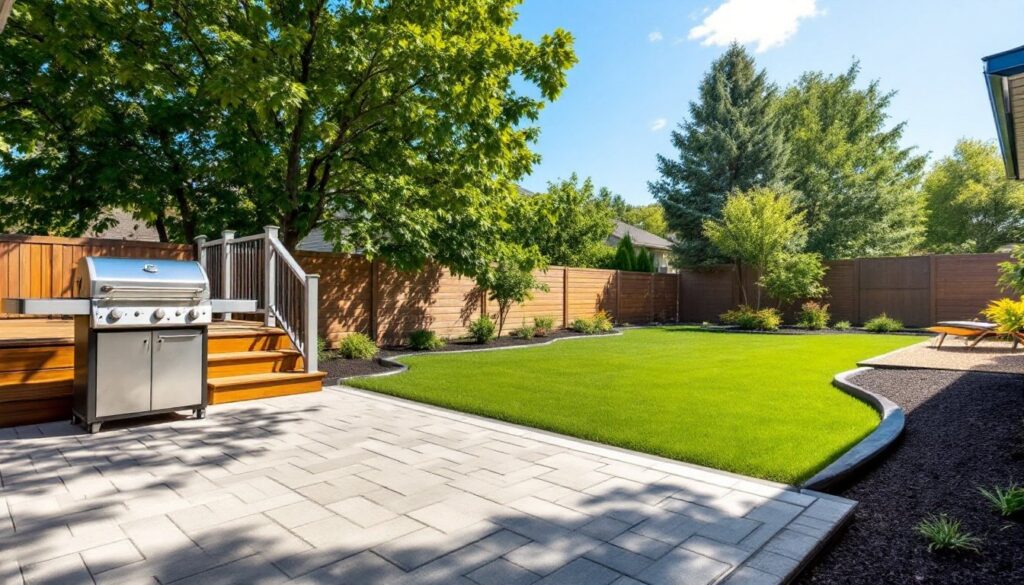

A <a href="https://tsuhan-sozai-logi.com/top-backyard-transformations/”>backyard floor sets the tone for everything that happens outside, from grilling and entertaining to quiet mornings with coffee. Yet many homeowners feel stuck with either a weedy lawn or expensive, complex projects. The good news is that backyard floor ideas have evolved dramatically. Today’s options balance durability, affordability, and style in ways that didn’t exist even five years ago. Whether you’re starting from scratch or refreshing an aging patio, these seven solutions offer practical alternatives that fit different budgets, climates, and maintenance levels. Most can be installed without professional help, though we’ll flag where permits or a second pair of hands matter.
Table of Contents
ToggleKey Takeaways
- Concrete pavers are the most versatile backyard floor solution, costing $3–$8 per square foot installed, with the advantage of modular replacement and durability over traditional poured concrete.
- Permeable pavers eliminate drainage issues and satisfy municipal stormwater codes while adding only 10–20% to installation costs compared to standard options.
- Natural stone delivers timeless aesthetics at $10–$25 per square foot but requires sealing every 2–3 years, while gravel offers the cheapest entry point at $0.50–$2 per square foot with ongoing maintenance needs.
- Composite decking eliminates the need for annual staining and sealing, costing $8–$15 per square foot and providing decades of low-maintenance durability for backyard floor projects.
- Rubber tiles and artificial turf are quick-install solutions for high-traffic areas and small spaces, though turf requires proper drainage and carries long-term disposal considerations.
- Landscape edging with steel outperforms plastic options by lasting decades while defining garden zones and preventing grass creep, making it one of the highest-impact upgrades for backyard transformations.
Concrete Pavers and Permeable Paving
Concrete pavers are the workhorse of modern backyard flooring. Unlike poured concrete, they’re modular, meaning you can install them one at a time, adjust individual units if something settles, and replace a cracked section without affecting the whole surface. Standard paver dimensions run 4×8 inches, 6×9 inches, or 12×12 inches: thicker commercial-grade pavers (3⅜ inches) handle heavier loads than residential grades (2⅜ inches). They cost roughly $3–$8 per square foot installed, depending on quality and pattern complexity.
Why Pavers Outperform Poured Concrete
Poured concrete cracks. It’s not a question of if, but when, especially in freeze-thaw climates where water seeps into micro-fractures and expands when frozen. Concrete also lacks the visual variety that pavers offer: you’re locked into a single color and texture. Pavers, by contrast, don’t crack across the entire slab if the ground shifts slightly. They’re also easier to repair, pop out the damaged unit, replace it, and you’re done.
Permeable pavers are a smart upgrade if drainage is poor or local codes require stormwater management. These have gaps between units or are manufactured with porous material, letting water drain through instead of pooling. Installation requires a 4-inch base of compacted gravel and sometimes a permeable fabric underlay. Permeable systems cost 10–20% more upfront but eliminate soggy corners and satisfy municipal stormwater ordinances in many areas. You’ll find comprehensive guidance on brick patio design covering running bond, basketweave, and herringbone patterns that work equally well with concrete pavers.
Natural Stone and Gravel Options
Natural stone, flagstone, slate, bluestone, or limestone, commands premium pricing but delivers timeless aesthetics and inherent durability. Flagstone is popular for patios because its irregular shape creates a puzzle-like, rustic appearance. Expect $10–$25 per square foot installed. The catch: thinner varieties chip under furniture legs, so budget for 1.5-inch to 2-inch thickness. Stone also requires periodic sealing (every 2–3 years) to resist staining and weathering.
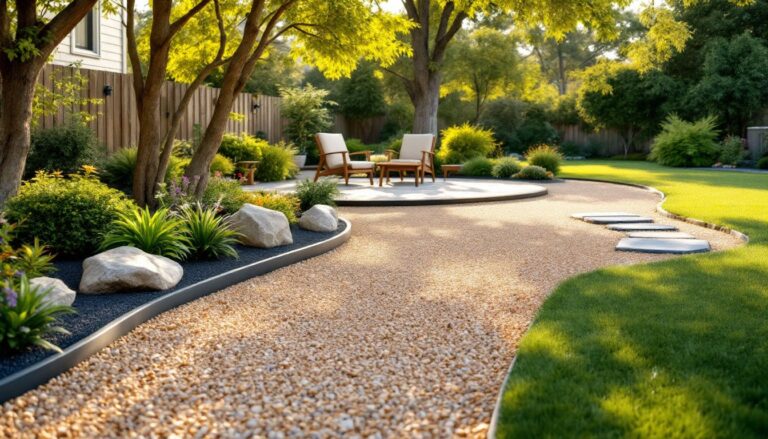
Gravel offers the cheapest entry point for backyard flooring, $0.50–$2 per square foot, though you’ll spend time on maintenance. Pea gravel (smooth, rounded stones about the size of a pea) is more comfortable underfoot than crushed stone. Border the gravel bed with landscape edging (plastic, steel, or composite) to prevent spread and contain plants. Gravel needs raking and occasional topping-off every 1–2 years as stones migrate and compact. In rainy climates, pea gravel can sink into soil: laying 2–3 inches of landscape fabric beneath the gravel solves this. Recent backyard transformation trends reflect a shift toward sustainable, low-impact surfaces like permeable gravel that support outdoor living without heavy environmental footprints.
Wooden Decking and Composite Alternatives
Traditional pressure-treated wood decking costs $4–$8 per square foot for materials and is familiar territory for most DIYers. Standard joists are spaced 16 inches on center and must be buried below the frost line (typically 36–48 inches depending on your region). Check local building codes, many jurisdictions require permits for decks over 30 inches high and mandate structural inspections. Wood also demands annual maintenance: sealing or staining every 2–3 years prevents rot and weathering.
Low-Maintenance Composite Decking
Composite decking blends wood fiber and plastic resin, eliminating the need for staining and sealing. Brands like Trex and Azek dominate the market, costing $8–$15 per square foot. The upfront premium pays off through years of zero maintenance, no splinters, no color fade, no seasonal upkeep. Installation mirrors wood decking, so existing skills transfer directly. Composites do retain heat more than wood (meaning bare feet get hotter in summer), and some brands show less visual character. Quality composites also resist mold and insect damage, a huge advantage in damp climates. Backyard transformation techniques for decking include proper drainage and ventilation beneath the surface to prevent moisture entrapment.
Mulch and Landscape Edging for Garden Areas
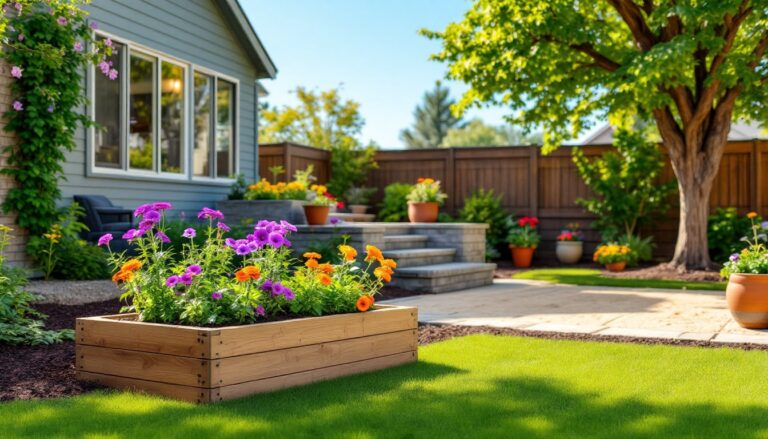
Mulch is essential groundcover for garden beds and creates soft transitions between hardscape and planting zones. Shredded hardwood mulch costs $25–$50 per cubic yard and breaks down over time, enriching soil. Apply 2–4 inches depending on plant density and your climate’s rainfall. Rubber mulch (made from recycled tires) lasts longer, 5–10 years, and costs $40–$70 per cubic yard, though it doesn’t improve soil like wood mulch does. Rubber also retains heat, which can stress shallow-rooted plants in hot climates.
Landscape edging defines beds and prevents grass from creeping into mulched areas. Plastic edging is the budget option ($0.50–$1 per linear foot) but degrades under UV exposure. Steel landscape edging costs more ($1.50–$3 per linear foot) and outlasts plastic by decades while giving a cleaner, modern look. Install edging slightly proud of the soil (½ to ¾ inch above grade) to block grass creep effectively. For backyard transformations for beginners, defining garden zones with proper edging is one of the highest-impact, lowest-cost improvements you can make.
Rubber Tiles and Artificial Turf
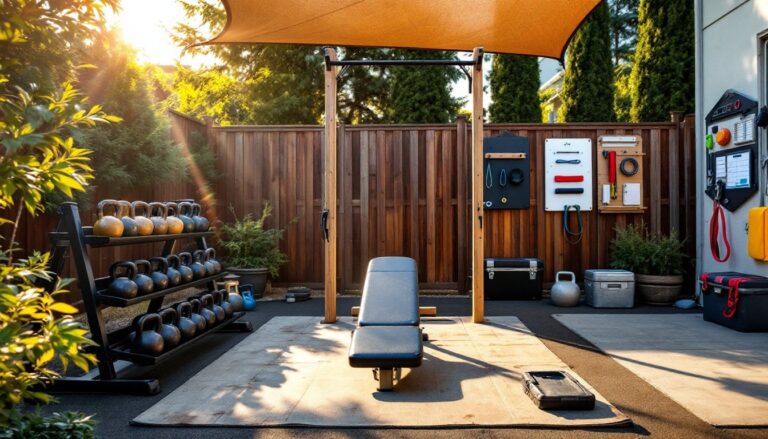
Interlocking rubber tiles are purpose-built for high-traffic areas and add-on spaces where traditional flooring overkill seems premature. Often made from recycled rubber, they cost $5–$12 per square foot and install in minutes without mortar, adhesive, or excavation. Stack them over existing soil, turf, or pavers, they compress slightly but conform to minor unevenness. Rubber tiles excel in kids’ play zones (impact-absorbent) and gyms but look industrial for sitting areas unless paired with creative landscaping.
Artificial turf mimics the look of grass without mowing, watering, or fertilizing. Modern versions look far less plastic than decade-old examples, though close inspection always reveals the synthetic. Expect $5–$15 per square foot installed. The math works best for small decorative areas rather than sprawling lawns. Artificial turf does heat up in summer (can exceed 140°F in direct sun), so it’s less ideal for desert climates. Installation requires a base of 4–6 inches of compacted gravel to ensure drainage. Unlike mulch or gravel, turf doesn’t biodegrade and carries end-of-life disposal questions worth considering. Resources like Bob Vila offer detailed DIY installation guides for both materials.