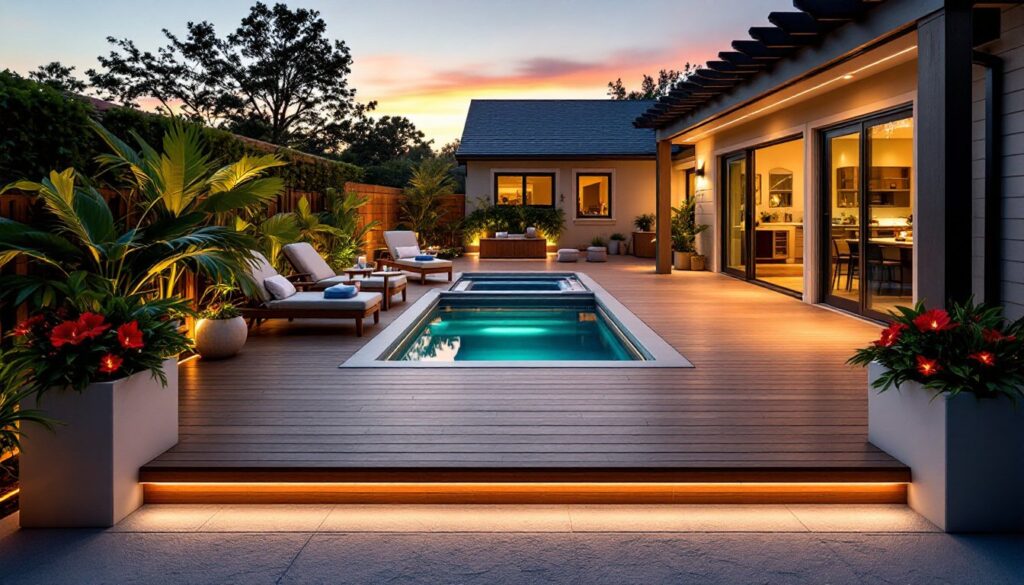

A swim spa turns a corner of your yard into a personal wellness retreat, but the deck surrounding it can make or break the whole experience. The right decking material, thoughtful layout, and smart finishing touches separate a cramped hot tub area from an inviting outdoor living space that you’ll actually use year-round. Whether you’re working with a compact urban lot or sprawling suburban acreage, the choices you make about materials, furniture, lighting, and safety features determine how functional and appealing your swim spa deck becomes. Here’s how to plan and build a deck that looks great, performs well, and lasts.
Table of Contents
ToggleKey Takeaways
- Composite decking is the ideal material for swim spa deck surrounds because it resists water damage, splinters, and rot better than wood, with a 20–25 year lifespan compared to 10–15 years for pressure-treated lumber.
- Plan your swim spa deck layout with at least 3–6 feet of clear decking on all sides to create an inviting space that encourages relaxation and social gathering without feeling cramped.
- Proper drainage and slope (¼ inch per foot) are critical to prevent standing water, mold growth, and slip hazards around your swim spa deck.
- Install non-slip surfaces, handrails where required by code, and ensure the spa sits on a level, reinforced foundation to prioritize safety and prevent structural damage.
- Combine ambient, task, and accent lighting with warm white LEDs (2700K) and wire all fixtures on a GFCI-protected circuit within 6 feet of water for both functionality and code compliance.
- Commit to regular maintenance—sealing wood annually, pressure-washing every 1–2 years, and checking water chemistry weekly—to protect your investment and keep the space enjoyable year-round.
Choose the Right Decking Material
Composite and Pressure-Treated Wood Options
Composite decking has become the go-to for swim spa surrounds because it resists water damage, splashing, and constant moisture better than wood alone. Materials like PVC-wrapped composite boards won’t rot, splinter, or require staining every few years. They cost more upfront (roughly $15–$25 per linear foot installed, depending on grade), but the time saved on maintenance and the longer lifespan make them worth the investment for a wet environment.
Pressure-treated lumber remains a budget-friendly option if you maintain it well. Southern yellow pine or pressure-treated hemlock cost around $5–$12 per linear foot and work fine for swim spa decks if sealed properly. Treat the wood annually with a water-repellent sealant to prevent cupping, warping, and mold growth. The catch: wood around constant moisture will need replacement sooner than composite, typically every 10–15 years instead of 20–25.
For either material, ensure the deck is graded (sloped gently away from the spa) to prevent standing water pooling on the deck surface. A slope of ¼ inch per foot of run keeps water moving and prevents slippery, mold-prone areas.
Stone, Pavers, and Concrete Solutions
Natural stone, slate, limestone, or granite, offers durability and aesthetic appeal but demands upfront cost ($20–$50+ per square foot installed) and periodic sealing. Stone can be slippery when wet, so textured varieties or an anti-slip coating are essential around water. Slate naturally splits with subtle texture, reducing slip hazard: granite is harder to maintain on a budget.
Permeable pavers are excellent for drainage. Made from porcelain, concrete, or resin-bound materials, they allow water to drain through rather than pooling on the surface. This cuts down on mold and algae growth around the spa. Costs run $15–$35 per square foot depending on material and installation complexity.
Concrete is the most economical base ($8–$15 per square foot poured) and pairs well with a topcoat or overlay for grip and appearance. Apply a slip-resistant epoxy coating or rubber crumb overlay to prevent slipping: unfinished concrete becomes treacherous when wet. Concrete also cracks over time in freeze-thaw climates, so reinforcement with rebar or wire mesh is worth the extra effort upfront.
Whatever material you choose, ensure it can handle the load of the spa itself (typically 4,000–12,000 pounds water plus weight of structure) plus regular foot traffic and occasional furniture weight. Check your local building code for deck load requirements: most jurisdictions require 40 pounds per square foot for residential decks, but swim spa areas sometimes need extra reinforcement underneath.
Design Layout and Space Planning
Start by measuring the spa’s footprint and adding at least 3 to 4 feet of clear decking on all sides. This buffer gives you room to walk around, place loungers, and prevents the deck from feeling cramped. If you have the space, 5–6 feet is even better, it allows for a side table, potted plants, or a small beverage station without obstruction.
Position the spa entry in a spot that’s visible and accessible from your home. A direct sightline from a patio door or kitchen window encourages more frequent use and makes supervision easier if you have kids. Avoid placing the deck where falling leaves and debris from nearby trees will constantly clog the spa’s filter: situate it away from maples, oaks, and pines if possible.
For layouts that incorporate Backyard Transformation Ideas beyond the deck itself, think of the spa as the focal point anchoring the space. Arrange decking patterns to draw the eye toward it, a radial or concentric pattern works well, or a simple bordered rectangle if you prefer clean lines. If you’re planning a larger project, referencing Backyard Transformations Guide principles helps ensure the deck integrates smoothly with pathways, seating areas, and plantings.
Consider shade too. A swim spa facing full sun all day can overheat in summer and lose more water to evaporation. If possible, angle the deck so that a pergola, shade sail, or mature tree provides dappled cover for part of the day. This makes the space more usable during peak heat and reduces operational strain on the spa’s cooling system.
Slope and drainage matter more than aesthetics. Make sure the deck slopes away from the spa to prevent standing water that breeds mold and becomes a safety hazard.
Furniture and Accessory Arrangements
Your deck furniture should balance comfort with durability in a wet environment. Teak, aluminum, or all-weather wicker resist water damage better than standard wood or untreated furniture. Cushions and upholstery should be rated for outdoor or marine use (usually quick-dry foam or solution-dyed fabrics like Sunbrella) to prevent mold and deterioration.
Arrange loungers and chairs in groups of 2–4 with small tables nearby, this layout encourages people to relax and socialize rather than just plunging into the spa and leaving. Position at least one or two chairs to face toward the spa so guests can chat with those in the water. A small side table within arm’s reach of a lounger is practical for holding a drink or towel.
Add a drying bench or low-profile storage box near the spa entry. This gives bathers a place to sit and dry off before heading back inside, and it stores towels, spa chemicals, and maintenance gear out of the weather. Cedar or composite construction holds up better than standard wood in humid environments.
Incorporate Backyard Transformations Trends that align with 2026’s focus on functional outdoor spaces. Movable seating and modular arrangements let you adapt the deck for solo use, family gatherings, or parties. Avoid built-in seating unless it’s composite or sealed cedar, moisture damage hidden behind fixed elements is expensive to repair.
Plant containers strategically. A few large planters with tropical or exotic plants (hibiscus, bird of paradise) frame the spa and create a resort-like feel without requiring elaborate landscaping. Use lightweight fiberglass or composite containers rather than ceramic, which cracks in freeze cycles.
Lighting and Ambiance Solutions
Lighting transforms your deck from purely functional to genuinely inviting after sunset. Install a combination of ambient, task, and accent lighting to cover different moods and activities.
Ambient lighting comes from overhead fixtures, deck-mounted lights, recessed soffit lights, or hanging pendants if you have a pergola overhead. LED strip lights along deck edges or under railings cast a soft glow and define the space safely at night. Use warm white LEDs (2700K color temperature) to create a cozy atmosphere rather than harsh bright white.
Task lighting should illuminate the steps leading to the spa and any seating areas where people might read or work. A small table lamp on a drying bench or small wall sconces flanking the spa entry provide functional light without overdoing it.
Accent lighting adds drama and visual interest. Underwater LED lights inside the spa itself (if your model supports them) create a beautiful glow, especially valuable on cool evenings when you’re soaking but the air is chilly. Uplighting on trees or tall planters extends the visual appeal beyond the deck surface.
Wire lighting on a dedicated circuit with a GFCI (Ground Fault Circuit Interrupter) breaker, this is a building code requirement for any electrical outlets or fixtures within 6 feet of water. All external lighting fixtures should be rated for wet locations (usually marked with an “X” or “WX” rating). Consult a licensed electrician if you’re not confident running a new circuit: improper wiring near water is a serious safety hazard.
Consider solar landscape lights as a supplementary layer. They’re affordable, require no wiring, and work well for subtle path lighting or outlining the deck perimeter.
Safety Features and Maintenance Considerations
Safety starts with non-slip surfaces. Even composite or wood decking becomes hazardous when wet, so apply an anti-slip coating, tape, or overlay. Textured finishes on pavers or stone are inherently safer than polished surfaces. For wood or composite, a marine-grade slip-resistant finish reduces accidents without looking industrial.
Install a handrail if the spa sits on a platform or if the deck is elevated more than a few inches from ground level. Local building codes often require railings on decks higher than 30 inches off the ground, so check your jurisdiction. The rail should be sturdy enough to support 200 pounds of downward force and spaced so a 4-inch sphere can’t pass between balusters (standard safety rule to prevent child entrapment).
Ensure the spa is positioned on a level, stable base. Most installations require a reinforced concrete pad or compacted gravel foundation. Uneven settling causes water to slosh out, stresses the shell, and voids warranties. Measure with a level tool and regrade if necessary before finalizing the deck layout.
Keep a first aid kit and CPR sign visible near the deck entry. Post drain hazard warnings if required by local regulations. Many municipalities mandate specific signage around spas, check your health department or building permit requirements.
Maintenance is critical. Skim debris daily, check water chemistry weekly (pH, chlorine or salt levels), and drain and refill the spa annually or per manufacturer guidelines. For Backyard Transformation Techniques that focus on durability, seal wood annually, pressure-wash the deck every 1–2 years to remove mold and algae buildup, and inspect railings and fasteners seasonally for rust or loosening.
In freeze-thaw climates, drain the spa and cover it securely during winter unless you’re using it regularly. Ice and snow buildup stresses the structure and makes the deck dangerous. Clear snow and ice promptly and avoid salt-based de-icers on composite decking, which can stain and weaken the material.
Store spa supplies, chlorine, test kits, filters, in a dry, shaded spot away from the deck surface. Spilled chemicals damage wood and composite, and sunlight degrades them faster. A weatherproof cabinet or locker keeps everything organized and safe.
Bringing It All Together
A well-planned swim spa deck is an investment in years of relaxation and outdoor living. The material you choose, the layout you design, and the finishing touches you add all contribute to whether your spa becomes a treasured family gathering spot or an unused luxury. Prioritize slip resistance and proper drainage: then layer in comfortable furniture, thoughtful lighting, and genuine maintenance habits. Start with the deck foundation and materials, let the space guide your furniture placement, and add lighting last, these stages flow naturally and save headaches down the road. When you’re sitting in your spa on a cool evening, watching the lights dance on the water and feeling the warm jets, you’ll know the prep work was worth every hour.