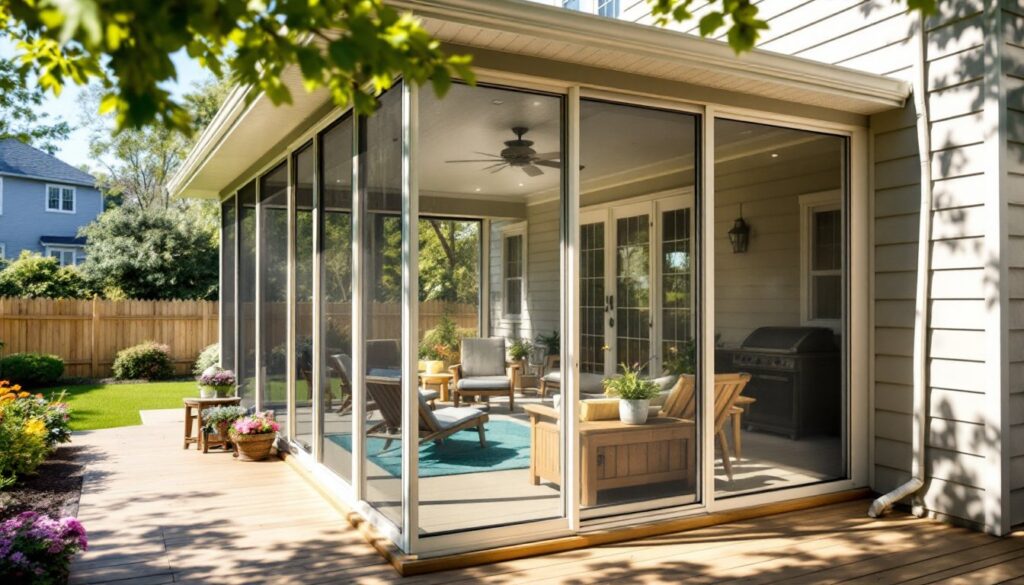

A patio enclosure transforms an exposed deck or bare concrete slab into a genuine outdoor room, a place your family will actually use year-round. Whether you’re battling insects, harsh sun, or unpredictable weather, the right enclosure solves the problem while adding serious square footage to your home’s usable space. The good news is you don’t need a custom contractor and a six-month timeline. From simple screened designs homeowners can install themselves to more substantial glass and polycarbonate systems, patio enclosure ideas range from budget-friendly to premium, and difficulty levels span from weekend DIY to professional installation. This guide walks through the most practical options available today, with honest talk about costs, maintenance, and what actually works.
Table of Contents
ToggleKey Takeaways
- Screened patio enclosures are the most affordable option at $3–$15 per square foot, offering bug protection and UV blocking while remaining easy to maintain and repair.
- Glass and retractable panel systems cost $25–$75 per square foot but provide weather-tight seals and year-round usability, making them ideal for climates with heavy rainfall or cold winters.
- Hard-top and polycarbonate roof options transform an exposed patio into a genuine room while requiring structural support, building permits, and proper load calculations for snow and wind.
- Fabric-based solutions like shade sails and motorized awnings offer flexible, affordable sun protection at $800–$6,000 but work best as supplements rather than complete enclosures.
- Year-round patio enclosure success depends on matching the system to your climate, choosing low-maintenance designs, and budgeting 5–10 percent annually for upkeep.
Screened-In Patio Enclosures
A screened enclosure is the simplest and most affordable way to extend your patio season. Aluminum frames hold vinyl-coated fiberglass screening, which keeps bugs out while letting breezes flow through. Screens cost roughly $3 to $15 per square foot installed, making this approach accessible for most budgets. The aluminum frame is lightweight, won’t rot, and requires almost no maintenance beyond occasional screen replacement when it tears or deteriorates.
Screened enclosures work best if you’re not worried about temperature control or rain protection, they block insects and UV rays but don’t create a weather-tight seal. In humid climates, they’re perfect for dining and lounging during bug season. The trade-off is you’ll still feel the wind and hear rain: they just won’t soak you or let mosquitoes in.
Installation involves bolting together pre-made aluminum frame kits around your patio perimeter. You’ll need a level, a drill with bits, and a helper to hold sections square while fastening. The screening itself is secured with a rubber spline and a spline roller tool, inexpensive and straightforward. Most DIYers can tackle a 12-by-12-foot enclosure in a weekend. But, if your patio is uneven or your existing deck structure is weak, you may need to reinforce the base or call in a pro.
Why Choose a Screened Enclosure
Screened patios deliver maximum bang for the buck. Installation is fast, typically one to two days for a standard size. Repair is simple, torn screening costs under $50 to patch, and full screen replacement might run $200 to $500 depending on size. Unlike glass or hard roofs, screens won’t accumulate debris, and they don’t require extensive sealing or painting. Homeowners also appreciate the open-air feel: you still get natural light, airflow, and that sense of being outdoors without the insects.
Sliding Glass and Retractable Panel Designs
Sliding glass doors and retractable panels take enclosures up a notch. Tempered glass sliders create a weather-tight seal that’s perfect for cooler months or regions with significant rainfall. Retractable systems, think motorized screens or folding glass panels, let you open the space entirely when weather permits, then close it in seconds when a storm rolls in. The flexibility is powerful, and modern aluminum and steel frames make them look sleek rather than utilitarian.
Sliding glass systems run $25 to $50 per square foot installed, roughly double screened enclosures but still less than a full sunroom. Retractable motorized systems are pricier, often $40 to $75 per square foot, because they include electric motors, tracks, and waterproof seals. Both options require professional installation if you want proper weatherproofing: DIY installation risks leaks and draft issues that’ll plague you for years.
The appeal is obvious: you get year-round protection, clearer sight lines than aluminum frames block, and the ability to adapt. On warm days, roll the glass open and feel the breeze. When snow or heavy wind arrives, close it up. Maintenance involves occasional track cleaning and lubricating sliding mechanisms, plus wiping condensation off glass in cold months. If seals fail, and they eventually do, replacement runs $500 to $2,000 depending on the system. These are strong candidates if your patio gets heavy use and you want genuinely weathertight protection, but budget accordingly.
Hard-Top and Polycarbonate Roof Options
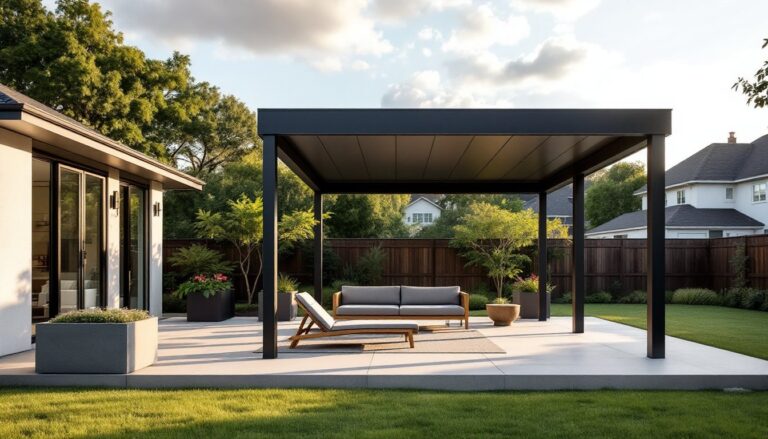
Adding a roof transforms an open patio into something that feels like an actual room. Hard-top roofs, solid metal or composite panels attached to a strong frame, block rain and provide insulation. Polycarbonate panels offer a lighter, semi-transparent alternative that costs less but still keeps weather out. Both options work with screened or open-sided designs, letting you customize how exposed or sheltered the space feels.
Polycarbonate systems typically run $15 to $30 per square foot, affordable compared to a traditional roof, but more than screening alone. Hard-top (aluminum or steel) ranges from $25 to $60 per square foot, depending on panel quality and whether you add ventilation or skylights. Hard-tops look more finished and integrated with your home, while polycarbonate feels lighter and maintains more of that outdoor vibe while still shedding rain.
Here’s the catch: both require solid structural support. Your existing patio posts, deck beams, or foundation need to handle the roof load plus snow and wind in your region. A simple screened enclosure can often sit on a patio slab: a hard-top needs proper footings, bearing posts set at least 3 feet into frost-free depth, and typically needs a permit from your local building department. Load calculations vary by climate and roof type, so don’t guess, get plans stamped by a structural engineer if the job is substantial.
Polycarbonate yellows over 10 to 15 years and eventually becomes brittle. Hard-top metal can rust if the coating fails or scratches expose bare aluminum. Either way, annual inspection and maintenance are non-negotiable. Top Backyard Transformations to inspire your design choices often include roofed patios because the payoff in usability is real.
Cost-Effective Fabric and Shade Solutions
Not every solution needs a frame and permanent install. Retractable awnings and shade sails are fabric-based systems that roll out when you need them and tuck away when you don’t. Shade sails are cables stretched between posts or trees, with heavyweight UV-protective fabric tensioned between them. Retractable motorized awnings hinge from your home’s wall or a free-standing post and extend over the patio with one button. Both offer sun protection and a modest rain shield without the cost of hard enclosure.
Shade sails run $800 to $3,000 for materials and professional installation on a standard patio. Motorized retractable awnings cost $2,000 to $6,000 depending on size and motor quality. Neither provides complete insect protection or true all-weather weatherproofing, but they’re excellent companions to a screened structure or standalone if bugs aren’t your main concern. Installation is typically straightforward, sails require post anchors and cable tensioning, while awnings just need wall brackets and a clear projection space.
Fabric does fade and deteriorate. High-quality solution-dyed acrylic lasts 5 to 7 years in sun: cheaper fabrics fail in 2 to 3. Check your local climate: in regions with heavy rain or salt spray, fabric systems won’t hold up as well as aluminum or glass. Many homeowners combine approaches, a fabric shade structure during summer, then switch to a removable or sliding panel system for shoulder seasons and winter.
Year-Round Usability and Maintenance
An enclosure’s value depends on whether it actually extends your outdoor season. Screened patios work spring through fall in most climates but feel chilly in winter without a second layer. Glass or polycarbonate systems with side panels genuinely warm up in sun and hold heat better, letting you sit comfortably into November in temperate zones. If heating is important, consider a patio heater (electric or propane) for shoulder seasons, or plan to add supplemental heat if you want to use the space December through February.
Cold-climate homeowners should know that hard roofs and glass systems collect snow and ice. A polycarbonate roof can handle modest snow loads, but metal panels require proper sloping (typically 1/4-inch drop per foot) so water and snow slide off rather than pool. If your area gets heavy snow, calculate load capacity before building, 20 pounds per square foot for moderate climates, sometimes 40+ for northern regions. Building codes vary widely, so check your local requirements before finalizing design.
Maintenance differs by system. Screened enclosures need the least: annual inspection for torn screening, occasional frame rinse, and maybe a fresh coat of frame sealant every five years. Sliding glass systems require track cleaning two to four times yearly (debris clogs the glides), weatherstripping replacement when it hardens, and glass cleaning to prevent mineral deposits. Hard-top roofs need gutter clearing, fastener inspection, and caulk resealing every few years, water finds every crack, so don’t let maintenance slide.
Backyard transformation techniques often emphasize that the best outdoor space is one that’s easy to maintain. Choose enclosure types you’ll actually keep clean and functional rather than a beautiful system that becomes a neglected eyesore. Budget 5 to 10 percent of the installation cost annually for maintenance and repairs. If you live in a humid climate, mold can be an issue, ensure the enclosure has adequate ventilation (operable windows or vents) to keep air flowing. Poor air circulation leads to musty smells and accelerated deterioration of screens and fabric.