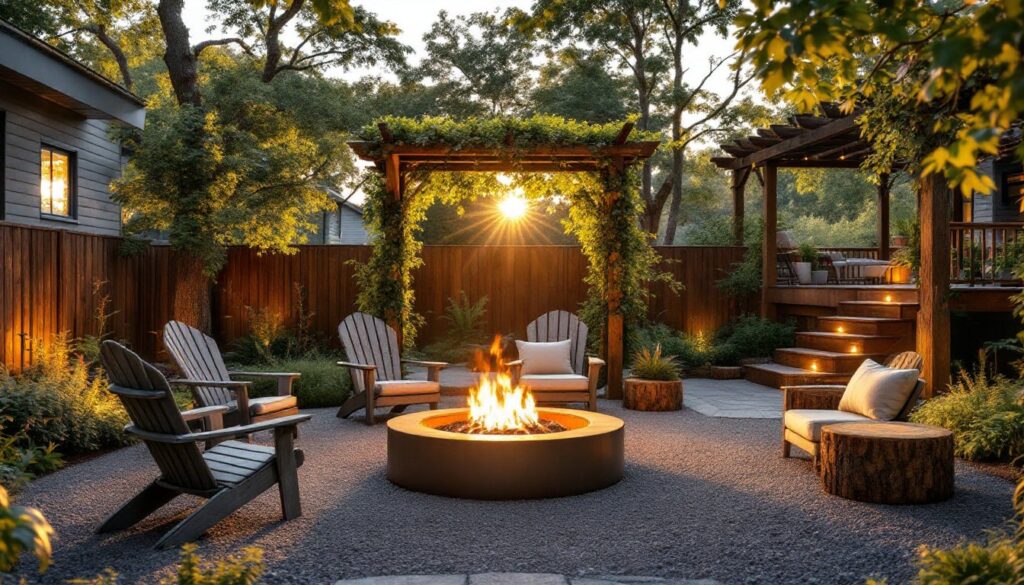

Creating a backyard sitting area doesn’t require a massive budget or professional landscaping crew, just a clear plan and willingness to roll up your sleeves. Whether you’re working with a sprawling plot or a compact urban yard, a dedicated sitting space transforms how you use your property. Instead of staring at an empty lawn, you’ll have a functional retreat where friends gather and evening hours disappear in conversation. The good news? Most backyard sitting area ideas work within DIY scope. This guide walks through seven proven approaches, from simple ground-level arrangements to more involved builds, so you can pick what fits your space, skill level, and goals.
Table of Contents
ToggleKey Takeaways
- Fire pit lounge zones anchored by pre-fabricated rings ($80–200) or DIY stone circles create a focal point that extends your outdoor season and requires minimal technical skill.
- Raised decks and ground-level patios transform your backyard sitting area into a functional retreat, with concrete costing $3–6 per square foot and permeable pavers offering better drainage at $8–15 per square foot.
- Shade solutions like pergolas ($600–1,200 DIY), shade sails ($300–600), or mature trees are essential for making your sitting area livable during peak heat hours.
- Garden nooks and reading corners use modest 4×4-foot floor space surrounded by planting beds and cost $150–400, making them ideal for creating private retreats even in compact yards.
- Budget-friendly backyard sitting area ideas including pallet seating ($30–80), mulch bases (under $50), and repurposed materials let you start simple and upgrade as finances allow.
- Mock up furniture placement with painter’s tape before committing to a final layout, as most sitting areas naturally evolve over seasons and benefit from flexible design.
Cozy Fire Pit Lounge Zones
A fire pit anchors a sitting area and extends your outdoor season into fall and early spring. The simplest approach uses a pre-fabricated fire ring kit (steel rings 36–48 inches in diameter, around $80–200), set into level ground with gravel underneath. Dig out 4–6 inches, add a 2-inch base of compacted gravel or sand, and drop the ring in. No mortar needed.
Arrange seating in a rough circle 10–12 feet from the pit center, far enough for comfort and safety. Use Adirondack chairs, log rounds on metal legs, or a bench facing the flames. Most codes require a minimum 15-foot clearance from structures and overhanging branches, so check local fire codes before you dig.
If you want a more permanent look, build a simple stone or brick ring instead. Stack concrete blocks or landscape stone 2–3 courses high, leaving gaps for air. No concrete needed for a basic ring. Add landscape fabric below and gravel inside to minimize ash spread and burning grass. The project takes a weekend and costs $150–300 depending on material choices. Always keep a hose or fire extinguisher nearby, and never leave a burning pit unattended. Backyard Transformation Techniques often start with a focal point like this, it’s where the whole sitting area takes shape.
Deck and Patio Seating Arrangements
Raised Deck Designs
A raised deck lifts your seating area above grade, improving drainage and creating visual separation from the lawn. For a small sitting deck (8×12 feet), you’ll need pressure-treated 2×8 rim joists, 2×6 deck boards, and 4×4 posts on concrete piers buried below frost line (varies by region, check local codes). Frost depth in cold zones runs 2–4 feet, so don’t skip this step: heave from freezing soil will crack your deck.
Key frame components: posts every 4–6 feet, joists every 16 inches on center, and decking boards with a 1/4-inch gap for drainage and expansion. Use galvanized or coated fasteners (not bare steel, which rusts fast). Most DIYers can handle framing, but railing and stairs have specific code requirements, spindle spacing, handrail height, stair rise and run, that vary by jurisdiction. Local permit offices have the specs: don’t guess. A small single-level deck without stairs might skip a permit in some areas, but a raised structure typically requires one.
Ground-Level Patio Layouts
For a lower-maintenance option, a ground-level patio uses concrete, pavers, or crushed stone. Concrete pads (4 inches thick, reinforced with rebar) are durable and affordable ($3–6 per square foot installed). Excavate 6 inches, compact the base, set up forms, pour concrete, and finish with a broom for slip resistance.
Permeable pavers suit DIYers with smaller areas. Lay landscape fabric, add 1–2 inches of sand base, arrange pavers in a pattern, lock them with edging, and sweep polymeric sand into the joints. This approach costs more per square foot ($8–15) but drains better and is simpler to repair. Both give you a solid platform for seating furniture. Backyard Transformations Trends show homeowners increasingly pairing patios with shade elements, pergolas, shade sails, or trees, for all-day usability.
Shaded Outdoor Retreats
Shade transforms a sitting area from pleasant into actually livable during peak heat hours. The simplest shade solution is mature trees, plant fast-growing varieties like river birch or sycamore 5–10 years ahead if possible, or work with what you have. A single large tree casts enough shade for a small seating zone by its base.
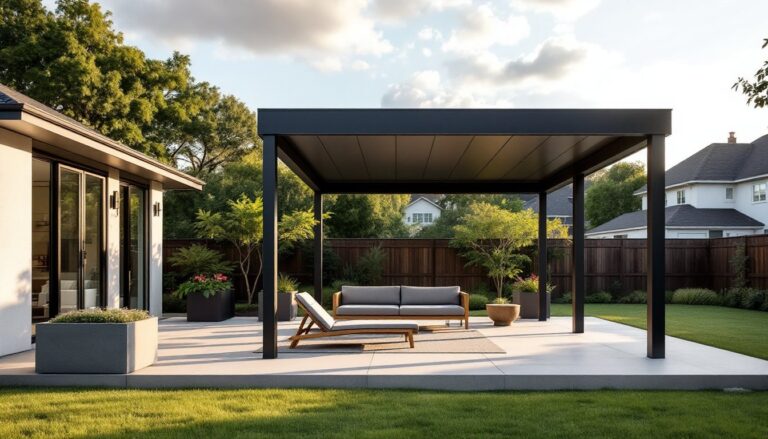
If you need immediate shade, a pergola does the job while still letting light filter through. A basic 10×12 pergola uses 4×4 posts, 2×8 beams, and 2×4 rafters spaced 12–18 inches apart. Set posts in concrete piers 3–4 feet deep (below frost line), bolt beams to posts, and bolt rafters to beams. The frame alone runs $400–700 in materials: add finishing (stain or paint) and you’re looking at $600–1,200 for a DIY build. It’s labor-intensive but results in a solid, valuable addition. Backyard Transformation Ideas often feature pergolas as the visual anchor.
Shade sails (tensioned fabric panels anchored to posts or trees) cost $300–600 and install in a day if you pre-drill anchor points. They’re temporary looking but functional. For a removable option, outdoor umbrellas on weighted bases ($50–150 each) work for smaller setups. Position seating on the north or east side of structures to catch afternoon shade and morning sun.
Garden Nooks and Reading Corners
A tucked-away corner surrounded by plantings feels like a private retreat. Pick a spot with some natural shelter, a fence line, hedgerow, or garden bed backdrop, and situate a single chair or small bench facing outward into your yard or garden. This arrangement only needs 4×4 feet of clear floor space.
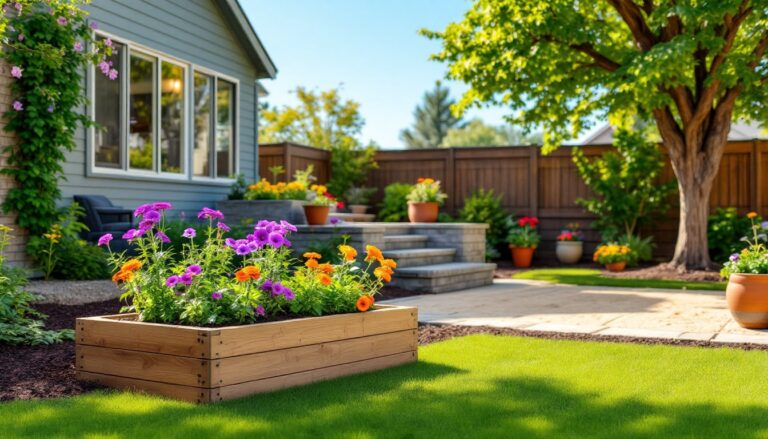
Frame the nook with planting beds using landscape edging (steel, plastic, or composite strips). Soil depth depends on plants: shrubs need 12–18 inches, perennials 8–12 inches, groundcover 4–6 inches. Lay landscape fabric to suppress weeds, add mulch on top, and plant. A basic seating nook costs $150–400 depending on plant selections and edging material. Sites like Homedit showcase intimate garden spaces that prove you don’t need acres, just intention and a few layers of plantings.
For a more defined structure, build a simple wooden arbor or trellis behind the seating. Use 2×4 lumber for posts and frame, 2×2 for lattice or trellis strips. Bolt it together, anchor posts in concrete footings, and train climbing vines (clematis, jasmine, climbing roses) up the sides. This creates natural privacy and visual interest without blocking all light. Backyard Transformations for Beginners often highlight garden nooks because they’re achievable even with modest woodworking skills.
Budget-Friendly DIY Solutions
Not every sitting area requires serious construction. Ground-level mulch or bark seating areas work in a pinch: clear a flat space, lay landscape fabric, fill 2–3 inches deep with playground mulch or shredded bark, and set potted plants around the perimeter for screening. Cost: under $50 for a 6×8 area. It’s not permanent, but it buds out a functional zone fast.
Pallet seating and repurposed materials cut costs dramatically. Clean wooden pallets (inspect for treatment history, avoid those marked with “MB,” which contains harmful chemicals) can be stacked, backed against a fence, and topped with cushions. A pallet bench and side table runs $30–80 in fasteners and finish. Pair pallets with scrap lumber for a simple frame, paint with exterior-grade polyurethane, and you’ve got serviceable furniture.
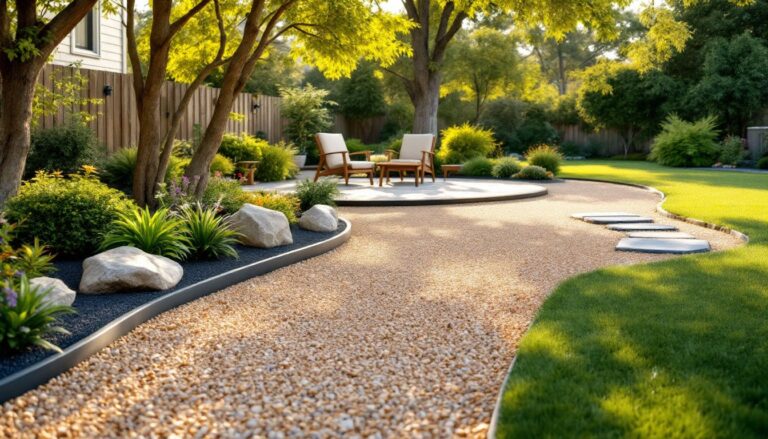
Stacked log rounds or large stones as seats cost almost nothing if you source them locally. Set them on a compacted gravel base, arrange them around a central focal point (fire pit, table, plant stand), and add outdoor cushions. These materials weather naturally and fit rustic or cottage aesthetics. Backyard Transformations Guide emphasizes that budget constraints shouldn’t kill momentum, start simple and upgrade later as finances allow. Use painter’s tape to mock up furniture placement before committing: it takes five minutes and prevents regretful moving later. Most backyard sitting areas evolve over seasons, so plan for that flexibility.