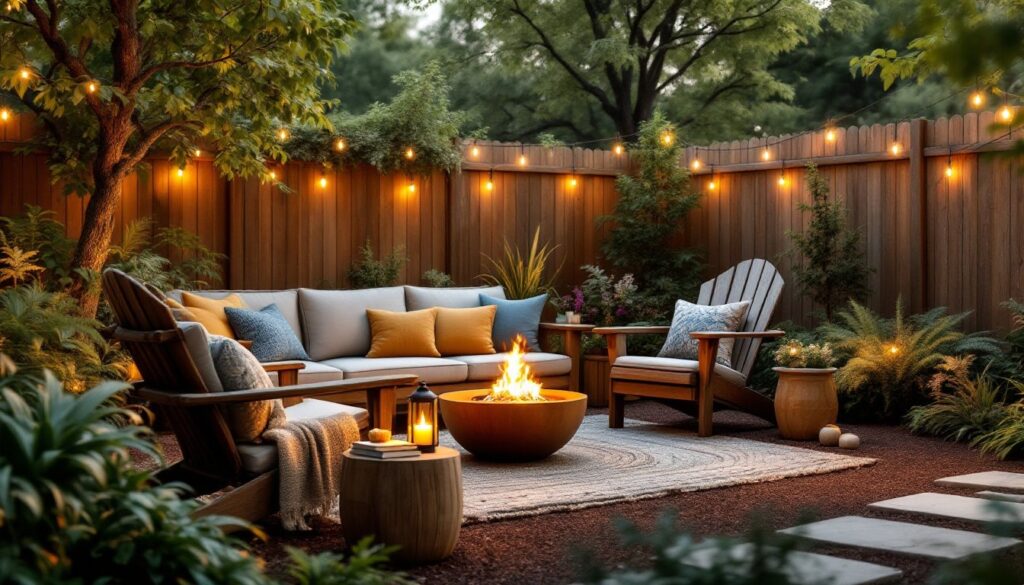

Spring is the ideal time to reimagine your outdoor space, before the heat arrives and you’re stuck inside. A cozy backyard doesn’t require a contractor or a five-figure budget. Instead, it’s built on smart choices: comfortable seating, layered lighting, natural elements, and personal touches that make the space feel intentional. Whether you’re starting from scratch or refreshing what you already have, these seven ideas will help you create an outdoor retreat where you and your family actually want to spend time.
Table of Contents
ToggleKey Takeaways
- Create a cozy backyard foundation with flexible, layered seating arranged 18–24 inches apart to encourage conversation and lingering—wood and metal furniture outlast cheaper alternatives and benefit from outdoor-rated cushions.
- Build ambient lighting with warm white string lights (2700K color temperature) layered with solar stake lights and table lanterns to avoid harsh floodlights and create an inviting evening retreat.
- Incorporate natural elements like native plants, potted greenery, mulch, and pavers to soften hard surfaces and signal intentional design without requiring a nursery budget.
- Install a fire feature—whether a tabletop gel fire bowl, precast concrete ring, or permanent fire pit—to draw people together and extend your cozy backyard into cooler evenings.
- Add personal touches with outdoor-rated textiles, throw pillows, blankets, and small decor items clustered in corners to make the space feel like a relaxation zone rather than a utility area.
Create A Warm Outdoor Seating Area
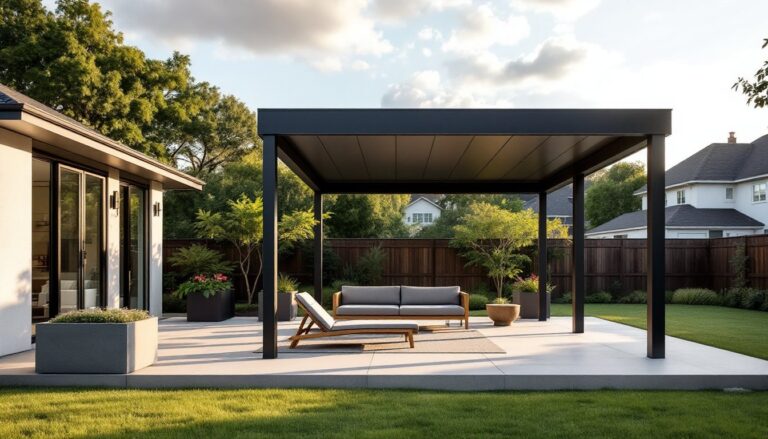
The foundation of any cozy backyard is a seating arrangement that invites people to sit down and stay awhile. This doesn’t mean matching patio sets or built-in furniture, think flexible, layered comfort. Start with a focal point: a low-back sectional, a pair of Adirondack chairs, or even four old dining chairs arranged in a square. Budget matters here, so scout Facebook Marketplace, estate sales, and thrift stores for solid wood pieces you can refresh with paint or stain.
Position your seating to face something pleasant, a garden bed, a water feature, or the house itself if the view is good. Avoid placing chairs with their backs to the yard or arranged in a way that breaks sightlines. A small side table (even a tree stump works) gives people a place to set drinks and creates a sense of enclosure without feeling cramped.
Choosing Comfortable Furniture And Arrangement
Wood and metal furniture ages better outdoors than particle board, so prioritize durability even if the initial cost is higher. Teak, cedar, and metal frames handle weather well: avoid anything with veneer. When shopping for cushions, look for outdoor-rated fabric, it resists mildew and fading better than indoor textiles. A single deep cushion on a wood bench or metal chair transforms it from uncomfortable to inviting. Position seating 18 to 24 inches apart so people can face each other and converse without shouting. Add a small side table between every two chairs so guests have a place for drinks, plates, or a phone. This one detail makes the difference between a functional space and one where people linger.
Add Ambient Lighting For Evening Ambiance
Lighting transforms a backyard from a daytime hangout into an evening destination. The key is avoiding harsh floodlights that wash out the space and make it feel like a parking lot. Instead, build a layered lighting strategy that feels warm and welcoming. String lights remain the go-to for coziness, warm white (2700K color temperature) looks more inviting than cool white or bright blue. Hang them in a zigzag pattern overhead, strung between fence posts or tree branches 8 to 10 feet apart, or drape them in loose swags for a softer effect.
Complementary lighting sources prevent dark corners and add depth. Solar stake lights along pathways cost $3 to $8 each and require no wiring. Lanterns placed on tables or hung from shepherd’s hooks create pools of light without bright spots. Uplighting on trees, achieved with simple LED spotlights ($15–$30) placed at ground level shining upward, adds drama and visual interest. A combination of string lights, solar path lights, and table lanterns feels deliberate rather than accidental, and gives you control over brightness depending on the mood.
Layering Light Sources For Maximum Coziness
Start with overhead string lights as your primary source, then add ambient fills with solar stake lights or ground uplighting. Finally, add task lighting on tables with battery-operated candles or small LED lanterns. This three-tier approach mimics indoor lighting design and prevents the harsh, one-note feel of a single bright fixture. Avoid motion-sensor lights in social areas, they’re jarring and interrupt conversation. Test placement before permanently installing anything: string lights can be repositioned easily, but digging post holes for shepherd’s hooks is permanent. If you’re adding a fire pit or fireplace, position lights so they complement rather than compete with the fire’s glow. Aim for a total illumination level that lets people read a menu but doesn’t require sunglasses at night.
Incorporate Natural Elements And Greenery
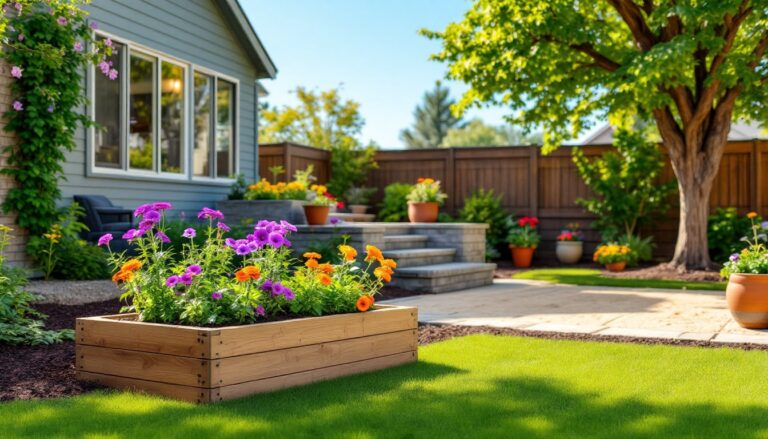
Green softens hard surfaces and makes a space feel alive. You don’t need a formal garden or nursery budget, even a few potted plants clustered on a corner table or hung from a fence does the job. Shade-tolerant plants like hostas, ferns, and ornamental grasses thrive in most backyards with minimal maintenance. These are long-term players that you’ll plant once and enjoy for years. If you have a sunny spot, go for ornamental grasses or low-maintenance perennials like coreopsis and Russian sage. Potted plants offer flexibility, arrange them seasonally and swap them out without committing to a permanent garden.
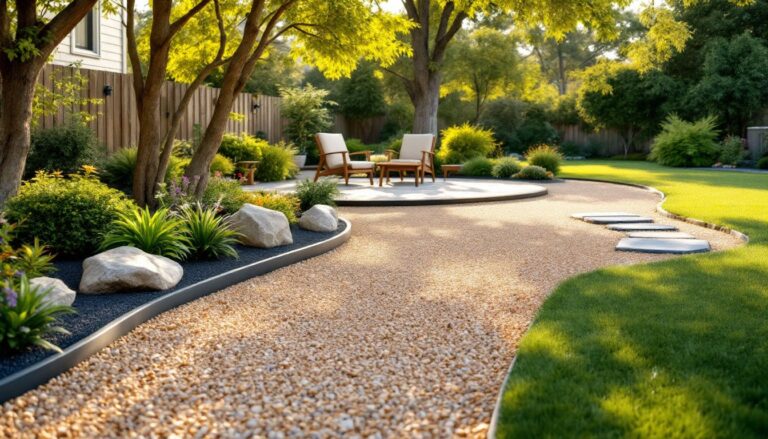
Natural materials beyond plants matter too. A mulched garden bed costs less than sod and adds visual interest. Pavers or stepping stones define pathways and create the impression of intentional design. If budget is tight, wood rounds stacked to form a log border or even raked gravel outline planting areas without huge expense. Native plants are your friend here, they’re adapted to local water and soil conditions, so they’re cheaper to buy, easier to maintain, and they support local pollinators. Consider your climate zone and talk to a local garden center about what actually grows well in your area rather than buying Instagram-worthy specimens that’ll struggle. Grouping plants by height (short in front, tall in back) and water needs makes maintenance easier and the arrangement look intentional rather than random.
Install A Fire Feature For Warmth And Gathering
A fire pit or outdoor fireplace pulls people together like nothing else. Even a small tabletop fire bowl ($40–$80) creates ambiance and provides warmth on cool spring evenings. If you’re committed to a larger feature, a permanent fire pit requires a cleared area at least 10 feet from structures, trees, and fuel sources, check your local fire code before digging. A precast concrete fire ring ($200–$400) sits on leveled ground and is portable: you can move it if you rearrange your yard later. For permanent installations, you’ll likely need a permit, so contact your local building department first.
Wood-burning is traditional but requires storage and cleanup. Propane or natural gas fire pits eliminate ash, allow instant ignition, and run on existing utilities if you have a gas line nearby. The trade-off is cost (usually $500–$1,500 installed) and needing to source propane. For renters or those hesitant to dig, a portable tabletop fire bowl burning gel fuel ($15–$30 per can, each burns 2–3 hours) delivers real flame without infrastructure. Whatever you choose, place it in a spot where smoke blows away from seating and where the flickering light enhances your evening views. A fire pit transforms your yard from a daytime hangout into an evening retreat, people linger longer, conversations go deeper, and the space feels special.
Add Personal Touches With Textiles And Decor
Textiles soften a space and signal that it’s a place to relax, not just an outdoor utility area. Throw pillows on seating ($10–$30 each) add color, comfort, and personality. Outdoor-rated fabrics resist UV fading and moisture better than indoor textiles, brands like Sunbrella or Outdura cost more upfront but last years longer. A color scheme borrowed from backyard transformation techniques keeps things cohesive: pick two or three colors and repeat them across pillows, planters, and decor. Blankets draped over chair arms or stacked on a bench invite people to get comfortable. In cool weather, they’re functional: in warm months, they’re pure ambiance.
Small decor items personalize the space without clutter. A bird feeder, a small water fountain, or even a nicely framed outdoor print hung on a fence panel adds character. Textured elements like woven baskets, wooden bowls filled with plants, or hanging macramé plant holders create visual interest. A side table stacked with books, a small speaker for background music, or a lantern with a candle signals that this space is for leisure, not yard work. Keep decor at human scale and clustered rather than scattered, a corner tableau of plants, pillows, and a side table feels intentional: random items scattered around feels chaotic. Don’t overthink it: add pieces you genuinely enjoy and that serve a purpose, whether that’s seating, storage, or visual interest. The goal is a backyard that feels like an extension of your home, not a showroom or a garden center display.